Data Visualization
Distorted Reflections
Unveiling Women in European Portrait Paintings at the MET
About the Project
The Metropolitan Museum of Art maintains an open access dataset of its collection, made available to researchers and institutions. During my master's program, our class collaborated with the MET to visualize patterns within their holdings, and the European Portrait collection immediately raised a question worth investigating.
Most European portraits were painted by male artists, commissioned by wealthy male patrons, depicting women through a lens that had little to do with who those women actually were. John Berger articulated this pattern in Ways of Seeing in 1972. This project applies his critical framework to the MET's data, using visualization to surface at scale what Berger identified through close reading: that the way women were painted tells us far more about the societies that produced these works than about the women themselves.
Ways of Seeing
John Berger's groundbreaking 1972 work argued that how we see art is shaped by assumptions, about gender, class, beauty, and power, that we rarely make explicit. His analysis of the European nude tradition revealed a consistent pattern: women were painted to be looked at, their gaze and posture arranged for a presumed male viewer.
This project applies Berger's critical lens to the MET's European Portrait collection, using data to surface patterns that might be invisible to any single viewer. By aggregating attributes across hundreds of paintings, the visualization makes the implicit explicit; turning individual artworks into evidence of a broader cultural pattern.
Attributes Examined
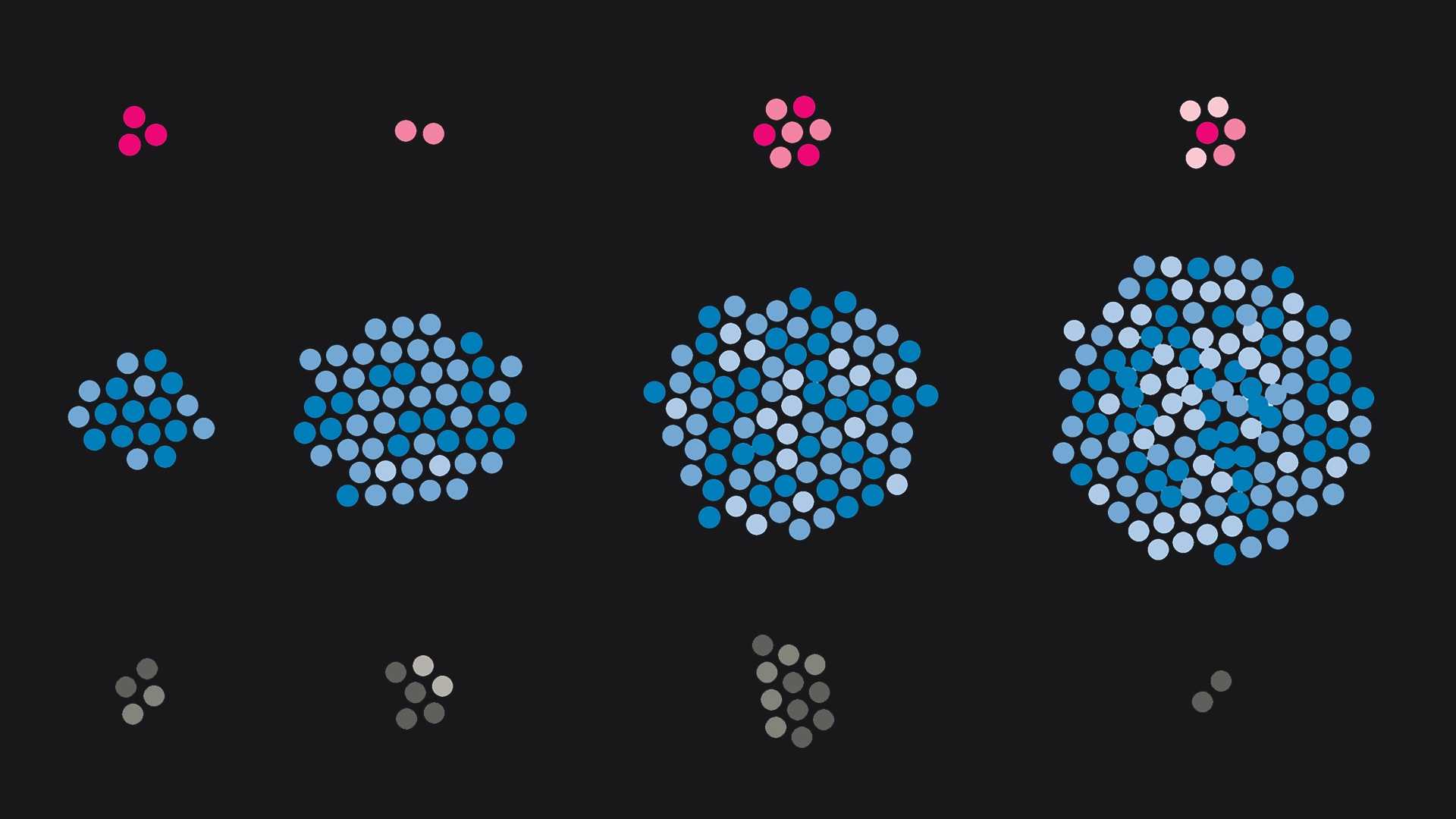
To unravel the intricacies of these paintings and understand their broader context, the visualization factors in six crucial attributes of each work in the collection:
Together, these dimensions construct a portrait not of any single woman, but of how women as a category were constructed and constrained by the European portrait tradition; and how those patterns persisted across centuries of artistic production.
The Work
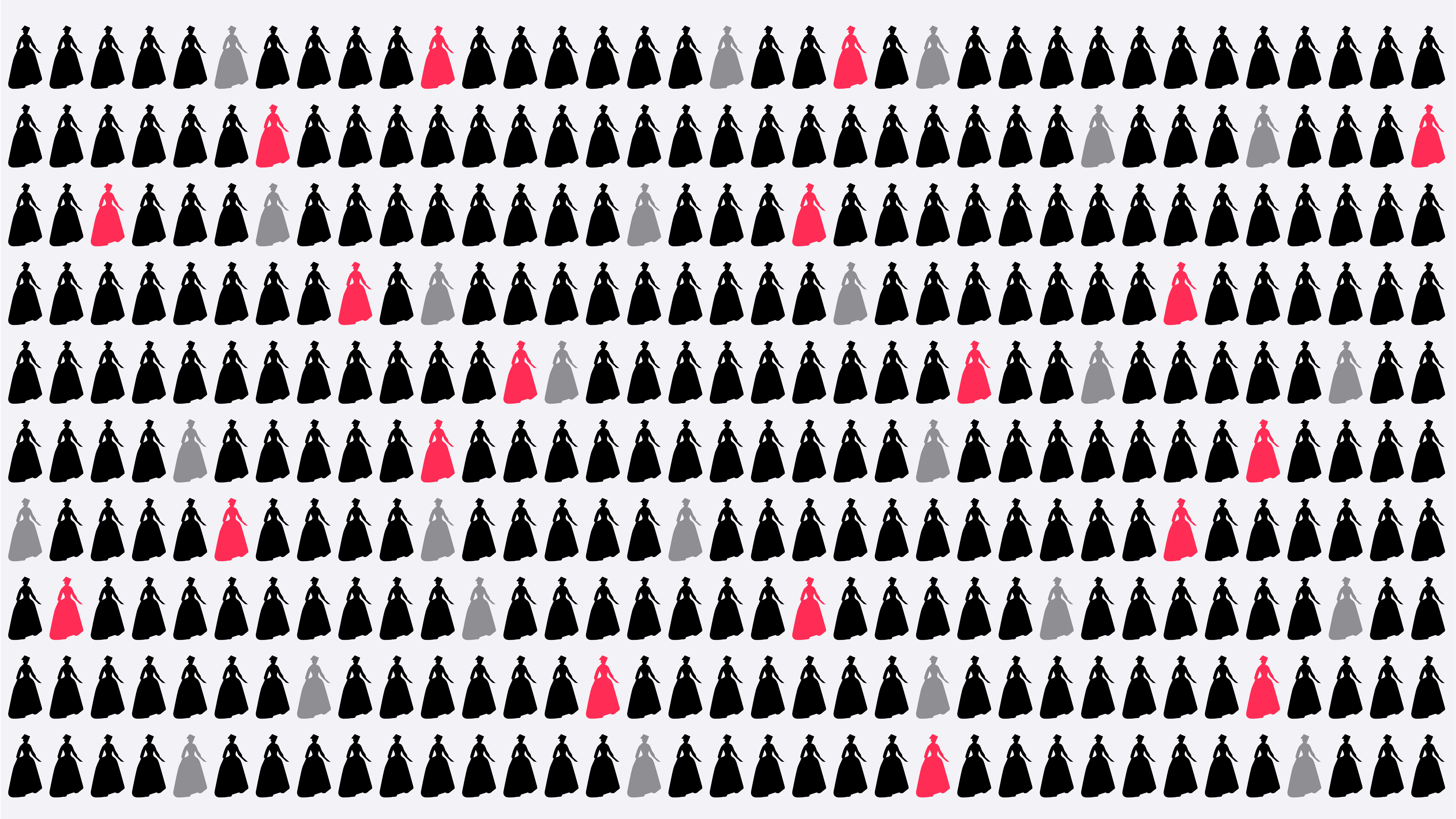
The visualization opens on the full collection, immediately making one pattern visible before the viewer has done anything: the overwhelming majority of artists are male. There are more works attributed to anonymous artists than to women, a detail that carries its own implication about whose work was considered worth recording.
From there, viewers can explore across all six attributes, hovering over individual works to see the actual paintings and the data attached to them. The most striking pattern emerges in the comparison between works by male and female artists: how the subject is posed, where her gaze falls, what she is doing, and how she is dressed shifts in ways that are subtle in any single painting and undeniable across hundreds. The visualization makes that pattern impossible to ignore.